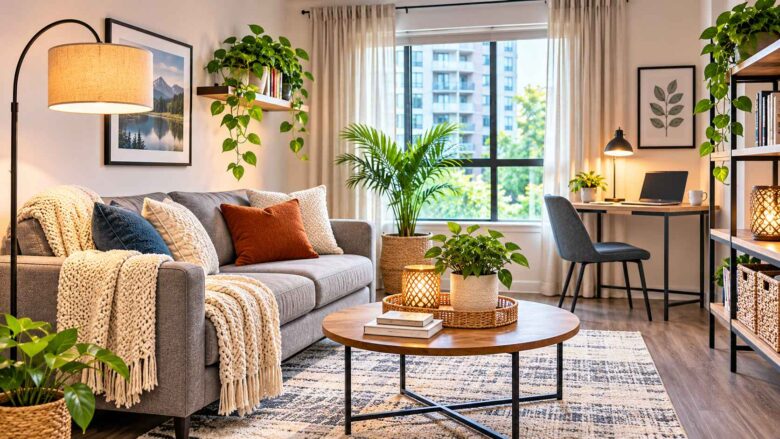
Moving into a rental apartment often means working with a layout, wall colours, flooring, and fixtures that someone else has already chosen. While these features may not perfectly reflect your personal style, they do not have to prevent you from creating a comfortable and welcoming home.
A rental apartment can feel just as personal as an owned property when decorating decisions focus on flexibility, functionality, and thoughtful details.
From choosing appropriately sized furniture to introducing comfortable lighting and creative storage, renters have many opportunities to transform their spaces without making permanent alterations.
The key is understanding which improvements are renter-friendly and which require permission from the property owner or management team.
Start With Furniture That Fits Your Apartment Layout
Furniture placement can significantly influence how comfortable and functional an apartment feels.
Before purchasing large pieces, measure the available floor space and consider how people move between rooms.
For example, an oversized sectional sofa may overwhelm a compact living room, while a smaller sofa and accent chair could provide greater flexibility.
Choose Furniture With Practical Proportions
Look for pieces that suit the dimensions of each room.
A narrow console table may work better in a small entrance than a large storage cabinet.
Similarly, a round dining table might allow easier movement in a compact dining area.
Renters exploring Ottawa rental apartment options can compare available floor plans and room arrangements before deciding which furniture will work best.
The goal is to create comfortable spaces without obstructing doorways, windows, or walkways.
Use Rugs to Add Warmth and Personality
Area rugs are among the simplest ways to personalize a rental apartment.
They introduce colour, texture, and visual interest without requiring permanent changes.
A rug can also help define different functional areas within an open-concept room.
For example, placing a rug beneath a sofa and coffee table can establish a comfortable seating area.
Protect Existing Flooring
Choose rugs that are appropriate for the existing flooring material.
Suitable non-slip pads may help prevent movement and reduce unnecessary wear.
Avoid adhesives or backing materials that could damage flooring finishes.
Rugs should also be positioned carefully to prevent tripping hazards, particularly near entrances and frequently used walkways.
Decorate With Curtains and Removable Accessories
Window treatments can influence both the appearance and functionality of a living space.
Curtains provide opportunities to introduce different textures and colours while managing privacy and daylight.
Renters should review existing window coverings and confirm whether additional installations are permitted.
Personalize Walls Without Damage
Artwork, framed photographs, mirrors, and decorative accessories can make an apartment feel more personal.
Where appropriate, removable hanging products may provide alternatives to drilling.
However, not every adhesive is suitable for every wall surface.
Some products can remove paint or damage finishes during removal.
Before installing wall decorations, check product instructions and confirm building policies.
Freestanding artwork and decorative shelving can offer alternatives when wall modifications are restricted.
Improve Comfort With Renter-Friendly Lighting
Lighting can change the atmosphere of an apartment without requiring new electrical fixtures.
A room with limited overhead lighting may feel more inviting when additional light sources are introduced.
Combine Different Types of Lighting
Table lamps, floor lamps, and portable task lights can serve different purposes.
For example, a reading chair may benefit from a nearby lamp, while a desk requires focused lighting for working.
Soft ambient lighting can create a comfortable atmosphere during evenings.
Renters should choose suitable electrical products and avoid overloading outlets or using unsafe wiring arrangements.
Replacing hardwired fixtures or modifying electrical systems should not be attempted without appropriate permission and qualified assistance.
Make Small Apartments More Functional
Limited square footage encourages creative organization.
Rather than filling every corner with furniture, focus on keeping frequently used areas accessible.
Multipurpose furniture can be particularly useful.
Examples include storage ottomans, nesting tables, extendable dining tables, and beds with built-in drawers.
Use Vertical Space Carefully
Freestanding shelving can provide additional storage without requiring permanent wall installations.
Storage baskets, drawer dividers, and cabinet organizers can also make existing spaces more practical.
In kitchens, removable organizers may help separate cooking utensils, cleaning supplies, and everyday essentials.
The objective is to reduce clutter while maintaining enough open space for comfortable movement.
Create a Practical Work-From-Home Area
Remote and hybrid work have made home workspaces important for many renters.
However, a dedicated office is not always necessary.
A compact desk placed near a suitable window may provide a comfortable workspace within a bedroom or living area.
Separate Work and Personal Activities
Where possible, establish a consistent location for work-related equipment.
Portable desk organizers and cable-management accessories can help keep the area tidy.
Comfortable seating and appropriate lighting also deserve attention.
For people sharing an apartment, consider how meetings, telephone calls, and working hours may affect others.
A functional workspace should support productivity without taking over the entire living environment.
Add Plants and Personal Decorative Details
Plants can introduce colour and natural textures into an apartment.
Depending on available light and personal preferences, renters might choose small tabletop plants, larger floor plants, or low-maintenance greenery.
However, plants should be selected according to their actual care requirements.
Use suitable containers and trays to prevent water damage to flooring and furniture.
Households with pets should also check whether particular plants are safe for their animals.
Personal accessories such as books, photographs, cushions, and decorative objects can further reflect individual interests.
These details help create a welcoming environment without requiring expensive renovations.
Protect Walls, Floors, and Existing Fixtures
Personalizing a rental apartment should involve protecting the property’s existing condition.
Heavy furniture can damage flooring when moved without appropriate precautions.
Furniture pads may help reduce scratches, while protective mats can be useful beneath certain household items.
Renters should avoid using strong adhesives, permanent mounting materials, or unsuitable cleaning products on existing finishes.
Report Problems Rather Than Attempting Unauthorized Repairs
If a fixture becomes damaged or an appliance develops a problem, contact property management through the appropriate maintenance procedure.
Attempting repairs without authorization may create additional complications.
Maintaining the apartment responsibly benefits both residents and property owners.
Know When Landlord Permission Is Required
Not every decorating decision requires approval, but permanent or potentially damaging alterations deserve special attention.
Painting walls, drilling substantial holes, changing locks, replacing fixtures, or modifying built-in cabinetry may require permission.
Requirements depend on the rental agreement, applicable rules, and the nature of the proposed work.
The Canada Mortgage and Housing Corporation provides resources for renting a home, including guidance on rental agreements and landlord-tenant responsibilities.
Before making changes, renters should review their lease and communicate with the appropriate property representative.
Where approval is required, obtaining it in writing can help clarify expectations.
Why Property Management Communication Matters
A comfortable rental experience involves more than interior decoration.
Building maintenance, clear communication, and reliable procedures for reporting concerns also influence everyday living.
For example, renters may need assistance with malfunctioning appliances, plumbing issues, or existing fixtures.
Understanding how property management handles these concerns can make living arrangements easier to navigate.
Residents considering Osgoode Properties’ professionally managed communities can review individual property information and ask about maintenance procedures, building policies, and available services.
These details help renters distinguish between personal decorating choices and responsibilities that belong to property management.
A Simple Decorating Checklist for Renters
Before making changes, consider these practical questions:
- Does the furniture fit comfortably without blocking movement?
- Can decorative accessories be removed without damaging surfaces?
- Are rugs and storage solutions suitable for existing finishes?
- Does lighting support everyday activities?
- Is there enough storage to prevent unnecessary clutter?
- Can a work area be created without permanent modifications?
- Have building policies and permission requirements been reviewed?
Answering these questions can help renters make decorating decisions that balance personal style with practicality.
Make Your Apartment Feel Personal Without Changing Its Structure
Creating a comfortable rental home does not require major renovations or expensive decorative changes.
Thoughtfully chosen furniture, layered lighting, flexible storage, plants, and personal accessories can transform the character of a space while respecting existing finishes.
The most effective decorating decisions combine visual appeal with everyday functionality.
By understanding rental responsibilities, protecting the property, and communicating with management when necessary, renters can create living spaces that reflect their personalities without making unauthorized changes.
A rental apartment becomes a home through the routines, memories, and personal touches that make it feel welcoming—not through permanent renovations.